LMHC
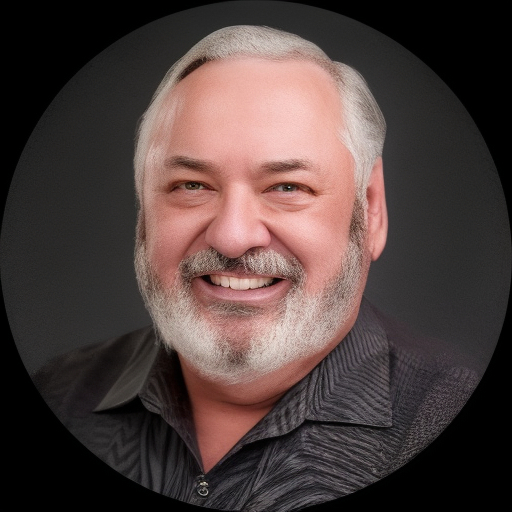
Albert Staley , LMHC
Therapist in Washington
Online therapy - get matched and start messaging.
About Albert
Albert draws on cognitive-behavioral ideas to help people notice unhelpful thoughts and try different ways of responding. He also uses emotion-focused work to help people name and move through painful feelings. Sessions are practical and grounded in day-to-day problems rather than academic language.
Over four years of clinical experience inform his work with issues such as trauma and abuse, addiction, intimacy concerns, parenting stress, and anger. He also supports people dealing with abandonment, attachment questions, codependency, and communication or commitment struggles. Albert pays attention to how life events like divorce, loss, or disaster shape coping and meaning.
He invites clients to examine big life questions when that is useful and wanted, while respecting each person’s beliefs. That can include talking about values, purpose, and sources of resilience. Albert aims to help people build clearer direction and more reliable ways to handle hard days.
Sessions may combine short-term tools and longer conversations about patterns. He encourages practical practice between sessions so people can test changes in real life. The overall focus is on finding steps that fit the client’s goals and routine.
How chosen approaches translate to online therapy
Client-centered therapy focuses on listening and reflecting back what matters to the client. Online sessions use this approach to create space for someone to tell their story and notice what they want to change. Cognitive Behavioral Therapy (CBT) helps people identify and test unhelpful thoughts and try new behaviors; that work can include homework and short in-session exercises that transfer well to video or messaging formats. Dialectical Behavior Therapy (DBT) offers practical skills for emotion regulation, distress tolerance, and clearer communication, which can be practiced between sessions and reviewed on calls or in messages.Finding the right approach is part of the process. The therapist collaborates with each person to choose methods that fit their goals, life demands, and preferences. That might mean starting with short CBT tools, shifting to emotion-focused work, or combining methods over time. The plan is adjusted together based on what helps most.
Online formats include video calls, phone sessions, live chat, and text-based messaging. Video is useful for longer conversations and teaching new skills. Phone sessions can be simpler when bandwidth is limited or for brief check-ins. Live chat and messaging are helpful for quick support, skill reminders, or when people prefer not to be on camera. These options make it easier to fit therapy into a busy schedule and to keep working on goals between sessions.
Frequently asked questions
What kinds of problems does he address?
He works with stress, anxiety, depression, relationship and intimacy concerns, trauma and abuse, addictions, grief, parenting strain, anger, and coping with life changes.
What is his therapeutic style like?
His work is client-centered and practical, using clear conversation and targeted skills from CBT and emotion-focused approaches to help people change unhelpful patterns.
How much clinical experience does he have?
He has four years of professional experience as a Licensed Mental Health Counselor (LMHC) practicing in Washington.
Where is he licensed and located?
He holds a Washington LMHC credential and practices in Washington state.
Which languages are supported for sessions?
Sessions are offered in English.
What session formats are available?
He works with video calls, phone sessions, live chat, and text-based messaging to match different schedules and preferences.
How is cost handled for sessions?
Cost varies with location and therapist availability; sessions use a subscription model that can be canceled at any time.
What do I do to begin therapy?
Start by selecting the Start Therapy button, completing a short matching questionnaire, and then scheduling according to the therapist's availability.
Areas of expertise
Primary focus
Also works with
Additional focus areas
Therapeutic approaches
Experience
4+ years
Licensed
Washington
Languages
English
Ready to work with Albert?
Begin with a short quiz to get matched and start messaging.
Start with Albert →