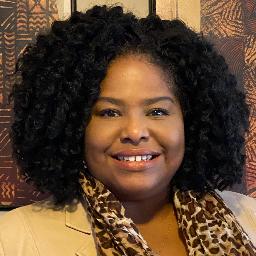
LCMHC, LPC
Alisa Branch , LCMHC, LPC
Therapist in North Carolina
Online therapy - get matched and start messaging.
About Alisa
Alisa holds a Bachelor of Arts in Psychology from the University of North Carolina at Greensboro and a Master of Science in Community Agency Counseling from North Carolina Agricultural and Technical State University. She holds the LCMHC credential in North Carolina and the LPC credential in Virginia. Over 14 years she has worked in outpatient mental health, private practice, and community medical settings.
Earlier in her career she spent eight years in inpatient psychiatric care and mobile crisis work. That background informs how she responds to urgent concerns and helps clients find practical steps forward. She draws from multiple approaches rather than one fixed style.
In sessions Alisa commonly uses Cognitive Behavioral Therapy, Dialectical Behavior Therapy, mindfulness, motivational interviewing, and solution-focused techniques. She sets simple, achievable goals and teaches skills to change thoughts and behaviors that get in the way of daily life.
Her focus areas include trauma and abuse, grief, addiction, intimacy-related issues, parenting and blended family concerns, communication problems, and ADHD. She also helps with feelings of abandonment, codependency, guilt and shame, and isolation. The work emphasizes collaboration, small practice steps, and clear strategies clients can try between meetings.
Using practical approaches in online therapy
Alisa commonly draws on Cognitive Behavioral Therapy and Dialectical Behavior Therapy alongside mindfulness practices. Cognitive Behavioral Therapy focuses on identifying unhelpful thoughts and testing small behavior changes to reduce anxiety and depression. Dialectical Behavior Therapy teaches emotion regulation, distress tolerance, and interpersonal skills that help with relationship strain and intense emotions. Mindfulness therapy adds simple attention and breathing exercises to reduce stress and improve focus.Finding the right approach usually happens together. The therapist and client will talk about needs, goals, and what feels doable. Sessions begin with small steps and adapt over time based on how well particular techniques are working for the client.
Online formats include video calls, phone sessions, live chat, and text-based messaging. Video sessions support visual connection for skill teaching and deeper conversation. Phone sessions can be a good fit when internet bandwidth is limited or for a shorter check-in. Live chat and text messaging allow brief exchanges, skill reminders, and ongoing reinforcement between scheduled meetings. These options make therapy more flexible and easier to fit into busy lives.
Frequently asked questions
What concerns does she commonly address?
She works with stress, anxiety, depression, trauma and abuse, relationship and family problems, addictions, grief, intimacy concerns, eating issues, parenting challenges, ADHD, and related struggles such as shame, abandonment, and isolation.
What is her general therapy approach and style?
Her style is interactive, warm, and accepting. She uses practical tools, gives feedback, and assigns tasks to practice between sessions.
What kind of experience does she have?
She has 14 years of experience in outpatient mental health plus prior work in inpatient psychiatric care and mobile crisis settings, giving broad exposure to acute and long-term needs.
Where is she based and what are her credentials?
She practices from North Carolina and holds the LCMHC credential in North Carolina and the LPC credential in Virginia.
Which languages are supported for sessions?
Sessions are offered in English.
What session formats are available?
She offers video calls, phone sessions, live chat, and text-based messaging to suit different schedules and needs.
How are fees and payment handled?
Cost varies with location and therapist availability; sessions are delivered through a subscription model that can be canceled at any time.
How do I get started with therapy?
Begin by selecting the Start Therapy button, complete a short matching questionnaire, and schedule sessions according to therapist availability.
Areas of expertise
Primary focus
Also works with
Additional focus areas
Therapeutic approaches
Experience
14+ years
Licensed
North Carolina, Virginia
Languages
English
Ready to work with Alisa?
Begin with a short quiz to get matched and start messaging.
Start with Alisa →