LCSW
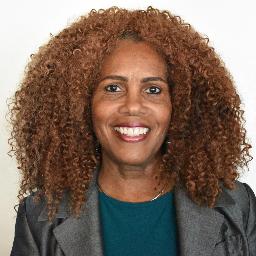
Cynthia Rumford-Jones , LCSW
Therapist in California
Online therapy - get matched and start messaging.
About Cynthia
Cynthia uses a client-centered approach that puts each person's goals first. She combines Cognitive Behavioral Therapy with Dialectical Behavior Therapy and mindfulness to help people notice thoughts, practice new skills, and change unhelpful patterns. Sessions are conversational and focused on real-life steps between visits.
She has extensive background working with trauma, grief, eating and food-related issues, and parenting concerns, including adoption and foster care topics. She also addresses relationship and family problems, communication and commitment issues, and challenges like anger, impulsivity, and feelings of emptiness.
Cynthia holds a Licensed Clinical Social Worker credential - LCSW - in California. Her experience includes many years in social work and human services across public and private settings. That background informs a practical, strengths-based way of working with clients.
Therapy with Cynthia typically includes goal-setting and skill practice tailored to each person's needs. She uses motivational interviewing when people want help with change, and solution-focused techniques to find workable next steps. Her style is warm, direct, and supportive while keeping sessions focused on what will help most.
How therapy approaches translate to online care
Client-centered therapy focuses on the person's priorities and perspectives. It involves listening, asking questions, and shaping sessions around what the person wants to change, which can help with relationship, self-esteem, and life transition concerns.Cognitive Behavioral Therapy (CBT) looks at how thoughts and actions affect mood. In short, it helps people spot unhelpful thinking, try new behaviors, and practice skills to reduce anxiety or depression symptoms.
Dialectical Behavior Therapy (DBT) teaches emotion regulation, distress tolerance, and interpersonal effectiveness skills. It is useful when strong emotions, impulsivity, or relationship conflicts get in the way of daily life.
Choosing the right approach is a collaborative process. The therapist will talk with each person about goals, try techniques in session, and adjust the plan based on what works and what feels comfortable.
Online therapy offers flexible ways to connect. Video calls let people see facial cues and practice skills in conversation. Phone sessions can be a good option when bandwidth is limited or for shorter check-ins. Live chat and text-based messaging make it easier to share thoughts between sessions or to fit therapy into a busy schedule. These formats help people maintain continuity of care and work on goals from varied locations and routines.
Frequently asked questions
What concerns does she help with?
She works with stress, anxiety, depression, anger, self-esteem, grief, trauma and abuse, eating and food-related issues, parenting, bipolar and ADHD among other concerns.
What is her therapy style like?
Her style is warm, interactive, and practical. She focuses on goal-setting, skill practice, and clear next steps in session.
How much clinical experience does she have?
She has 22 years of clinical experience as an LCSW and additional years in social work and human services across public and private sectors.
What are her credentials and location?
She is a Licensed Clinical Social Worker - LCSW - licensed in California.
Which languages are supported for sessions?
Sessions are offered in English.
What session formats are available?
She offers video calls, phone sessions, live chat, and text-based messaging as session formats.
How are sessions paid for?
Sessions use a subscription that can be canceled at any time and cost varies with location and therapist availability.
How do I begin working with her?
Select the Start Therapy button, complete a short matching questionnaire, and schedule sessions according to therapist availability.
Areas of expertise
Primary focus
Also works with
Additional focus areas
Therapeutic approaches
Experience
22+ years
Licensed
California
Languages
English
Ready to work with Cynthia?
Begin with a short quiz to get matched and start messaging.
Start with Cynthia →