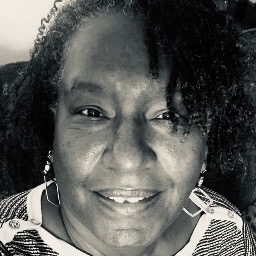
LPC, LCMHC
Dr. Darlene Anderson , LPC, LCMHC
Therapist in Virginia
Online therapy - get matched and start messaging.
About Darlene
How evidence-based approaches work online
Client-Centered Therapy emphasizes following the person's lead and building on their strengths. In practice this means the therapist listens closely, reflects what matters to the client, and helps set goals that feel relevant. Cognitive Behavioral Therapy, or CBT, focuses on identifying unhelpful thoughts and testing small behavior changes. It is useful for anxiety, depression, and stress because it provides clear steps people can practice between sessions.Choosing the right approach is a collaborative process. The therapist will review symptoms, life context, and personal preferences, then suggest one or a blend of methods to try. Goals are revisited regularly and techniques are adjusted to fit how the client responds and what proves useful.
Online formats offer practical flexibility. Video calls allow face-to-face conversation and visual cues. Phone sessions can work when bandwidth is limited or when someone prefers not to be on camera. Live chat and text-based messaging are helpful for brief check-ins, skill coaching between sessions, or people who find typing easier than speaking. These options make it simpler to fit therapy into busy schedules and different daily routines.
Frequently asked questions
What concerns does she help with?
She supports people with stress, anxiety, depression, relationship and intimacy-related issues, addictions, grief, parenting strains, and many family and life-change concerns.
What is her therapy style like?
Her style is collaborative and practical. Sessions focus on clear goals, skills practice, and small steps people can try between meetings.
How much experience does she have?
She has 20 years of clinical experience working in a range of settings with adults on mood, relationship, and behavioral concerns.
What credentials and region are listed?
She holds LPC and LCMHC credentials and practices from Virginia with licensure noted in both Virginia and North Carolina.
Which languages and international clients are supported?
Sessions are offered in English. International clients are not currently accepted.
What session formats are available?
Therapy is provided by video calls, phone sessions, live chat, or text-based messaging to fit different needs and schedules.
How does cost and payment work?
Costs vary with location and therapist arrangements; sessions run through a subscription model that can be canceled at any time.
How do I get started?
Begin by selecting the Start Therapy button, completing a short matching questionnaire, and then scheduling sessions according to the therapist's availability.
Areas of expertise
Primary focus
Also works with
Additional focus areas
Therapeutic approaches
Experience
20+ years
Licensed
Virginia, North Carolina
Languages
English
Ready to work with Darlene?
Begin with a short quiz to get matched and start messaging.
Start with Darlene →