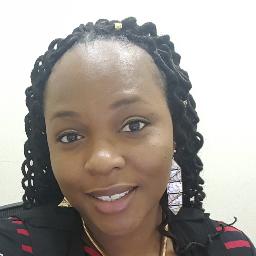
MD, LCPC
Desiree Monroe , MD, LCPC
Therapist in Maryland
Online therapy - get matched and start messaging.
About Desiree
She aims for simple, direct work in sessions. That often means talking through immediate problems, building coping skills, and setting small goals people can try between meetings. She draws on cognitive behavioral and mindfulness strategies when people want tools to shift unhelpful thoughts and reactions.
Desiree has worked in outpatient and inpatient settings with people facing mood disorders, post-traumatic stress, and substance use challenges. That background informs how she structures safety planning, relapse prevention, and stepwise progress toward better daily functioning. Her work also addresses relationship stress, intimacy issues, and career-related concerns.
Motivational interviewing is part of her approach for people wrestling with change or ambivalence. She uses solution-focused ideas to identify strengths and fast, practical steps that lead to relief. Dialectical behavior therapy skills appear when emotion regulation and impulse control are priorities.
Sessions are offered in English and she provides a mix of formats including video calls, phone sessions, live chat, and text-based messaging. Desiree describes her role as a collaborator who helps people set realistic goals and try new ways of coping one step at a time.
Online approaches that focus on skills and change
Desiree uses client-centered work and cognitive behavioral techniques to guide online sessions. Client-Centered Therapy emphasizes listening, validation, and building the relationship so people feel understood and can explore what matters most. Cognitive Behavioral Therapy (CBT) focuses on identifying unhelpful thoughts and testing new behaviors to reduce symptoms of anxiety, depression, and mood disorders.She also blends dialectical behavior therapy (DBT) skills when emotion regulation or impulsivity are central concerns. DBT supplies concrete techniques for managing strong emotions, reducing risky behaviors, and improving interpersonal effectiveness. Together these approaches are used collaboratively; the therapist and client decide which methods match the person's goals and needs, and that plan can change as progress happens.
Online formats include video calls, phone sessions, live chat, and text-based messaging. Video calls work well for more in-depth conversation and skills practice, while phone sessions can be easier when bandwidth is limited. Live chat or text messaging can be useful for brief check-ins, homework prompts, or when someone prefers shorter written exchanges. These options make it simpler to fit therapy around work, caregiving, and other commitments while keeping a steady therapeutic process.
Frequently asked questions
What kinds of concerns does she address?
She works with stress, anxiety, trauma and abuse, grief, anger, depression, addictions, relationship and intimacy-related issues, parenting and self-esteem concerns, and mood disorders including bipolar.
How would you describe her therapeutic style?
Her style is client-centered and practical, combining cognitive behavioral tools, mindfulness, dialectical behavior therapy skills, and motivational interviewing to build coping strategies and small, doable changes.
What is her professional background?
She has 16 years of counseling experience across outpatient and inpatient settings, working with people facing severe mental illness, substance use, trauma, foster care situations, and first responder stress.
Where does she practice and what are her credentials?
She practices in Maryland and holds the credentials MD and LCPC as provided in her profile.
Which languages are available for sessions?
Sessions are offered in English.
What session formats are offered?
Therapy is available via video calls, phone sessions, live chat, and text-based messaging to fit different schedules and preferences.
How is cost handled?
Sessions use a subscription model that can be canceled at any time; cost varies with location and therapist availability.
How does someone begin working with her?
Start by selecting the Start Therapy button, completing a short matching questionnaire, and then scheduling sessions according to the therapist's availability.
Areas of expertise
Primary focus
Also works with
Additional focus areas
Therapeutic approaches
Experience
16+ years
Licensed
Maryland
Languages
English
Ready to work with Desiree?
Begin with a short quiz to get matched and start messaging.
Start with Desiree →