LCSW
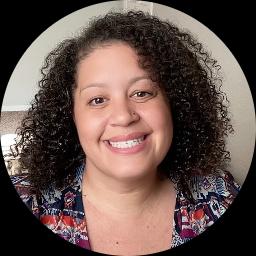
Rachel Horn , LCSW
Therapist in California
Online therapy - get matched and start messaging.
About Rachel
Rachel approaches each person with respect and sensitivity. She listens first and tailors conversations and plans to fit what matters most to the individual. Sessions aim to be straightforward and practical, with steps you can try between meetings.
She draws on methods such as acceptance and commitment strategies, client-centered listening, and cognitive behavioral techniques to match the moment and the goal. That mix is useful for managing problematic thoughts, building coping skills, and shifting unhelpful patterns that keep people stuck.
Rachel has worked with concerns that include trauma and abuse, addictions, communication and commitment struggles, body image, and caregiver stress. She also offers coaching-style support when clients want focused, goal-oriented work alongside therapy. Her background includes experience across several care settings and regions before practicing in California.
People who choose Rachel typically want a collaborative tone and clear, doable steps. She helps clients weigh options, set priorities, and move toward more manageable routines. The emphasis is on steady progress rather than quick fixes.
Approach-driven care delivered online
Rachel often blends Acceptance and Commitment Therapy and Client-Centered Therapy in online sessions. ACT focuses on identifying personal values and taking committed action toward them while learning to make space for difficult thoughts and feelings. Client-Centered Therapy centers the conversation on the client's experience, using empathic listening to help people clarify goals and feel understood.She may also draw on Cognitive Behavioral Therapy when people want to change unhelpful thinking and behavior patterns. CBT breaks problems into thoughts, feelings, and actions and then tests small experiments to shift them. Together these approaches give a mix of values-focused work, deep listening, and practical experiments for managing symptoms and making progress.
Finding the right mix is a collaborative process. The therapist will talk with each person about their goals, preferences, and what has or hasn't helped before. From there the plan can shift over time so methods match changing needs.
Online sessions are offered by video calls, phone sessions, live chat, or text-based messaging to increase flexibility. Video is good for fuller conversation and visual cues, phone can be easier when bandwidth is limited, and chat or messaging works for shorter check-ins or when writing helps people reflect. These options help fit therapy into busy days and different life situations.
Frequently asked questions
What kinds of concerns does Rachel address?
Rachel works with stress, anxiety, depression, trauma and abuse, addictions, relationship and intimacy issues, parenting and family-related stress, self-esteem, and LGBT-related concerns.
How would you describe Rachel's therapeutic style?
She uses a collaborative, respectful style that focuses on listening first and then tailoring practical steps. Sessions often include strategies you can try between meetings.
What is Rachel's professional background?
Rachel holds an LCSW and has four years of professional experience working in clinical settings prior to practicing in California.
Where is Rachel licensed and based?
Rachel is listed as an LCSW and practices in California while holding licensure entries for NC LCSW and TX LCSW.
Which languages are supported in sessions?
Sessions are offered in English.
What session formats are available?
Sessions can be done via video calls, phone sessions, live chat, or text-based messaging to suit different needs and schedules.
How are fees and subscriptions handled?
Cost varies with location and therapist availability; sessions use a subscription that can be canceled at any time.
How do I begin working with Rachel?
Start by selecting the Start Therapy button, complete a short matching questionnaire, and then schedule sessions according to the therapist's availability.
Areas of expertise
Primary focus
Also works with
Additional focus areas
Therapeutic approaches
Experience
4+ years
Licensed
Texas, California, Massachusetts, North Carolina
Languages
English
Ready to work with Rachel?
Begin with a short quiz to get matched and start messaging.
Start with Rachel →