LPC, LCMHC
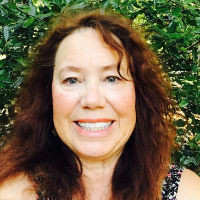
Sherry Friedman , LPC, LCMHC
Therapist in North Carolina
Online therapy - get matched and start messaging.
About Sherry
Sherry uses an integrative approach rooted in Jungian ideas alongside attachment-based and client-centered work. She pays attention to the whole person - emotional, cultural, and environmental factors that affect daily life. Sessions focus on practical steps as well as deeper reflection to help people get unstuck and find clearer direction.
Her style is empathetic and grounded. She listens closely and helps clients name difficult feelings, set boundaries, and try new ways of coping. She also draws on mindfulness practices and skills-based strategies when helpful, including techniques from dialectical behavior therapy for managing intense emotions.
Sherry often supports people who feel isolated, overwhelmed by caregiving or work stress, or who are trying to rebuild after a relationship loss or life transition. She also works with concerns such as attachment wounds, body image, and family-of-origin issues. Her goal is to help clients discover strengths and take practical steps toward better day-to-day functioning.
People who prefer a reflective yet practical therapist may find her approach useful. She offers sessions by video, phone, live chat, and text-based messaging and will work with each person to shape treatment around their goals.
How her approaches translate to online therapy
Attachment-based work focuses on connection and patterns in relationships. Online sessions use that lens to help people notice how past attachments shape current reactions and to practice new ways of relating in everyday life. Client-centered therapy emphasizes listening and the client's own goals; online sessions create space for people to be heard and to set the pace for change. Dialectical behavior therapy (DBT) provides concrete skills for emotion regulation and distress tolerance, which can be taught and practiced during video or phone sessions and reinforced via messages between sessions.Choosing the right approach is a team effort. The therapist will talk with each person about their goals, preferences, and what has or hasn’t helped in the past. Together they will try methods that fit the client's needs and adjust the plan as progress is made.
Online therapy offers several practical benefits for this work. Video calls allow for face-to-face conversation and visual cues. Phone sessions can be easier when bandwidth is limited or when someone prefers not to be on camera. Live chat and text-based messaging are useful for brief check-ins, practicing skills, or getting support between sessions. These options make it easier to fit therapy into busy days and to keep continuity during life transitions.
Frequently asked questions
What concerns does she commonly address?
She works with stress, anxiety, trauma and abuse, grief, depression, bipolar mood patterns, ADHD, parenting strain, relationship and family issues, self-esteem, career questions, and related concerns such as body image and abandonment.
What is her therapeutic style like?
Her style mixes Jungian and attachment-based perspectives with client-centered care and elements of dialectical behavior therapy and mindfulness. She combines deeper reflection with practical skills for coping and emotion regulation.
How much experience does she have?
She has twelve years of clinical experience working with adults on a range of mood, trauma, and life-transition issues.
What credentials and region are listed?
She holds LPC and LCMHC credentials and practices in North Carolina with licensure noted for SC LPC and NC LCMHC in her background.
Which languages and international options are available?
Sessions are offered in English and she does not accept international clients at this time.
What session formats are offered?
Therapy is available by video calls, phone sessions, live chat, and text-based messaging to fit different schedules and communication preferences.
How are costs handled?
Cost varies with location and therapist availability; sessions use a subscription model that can be canceled at any time.
How do I begin working with her?
Begin by selecting the Start Therapy button, completing a short matching questionnaire, and then scheduling according to the therapist's availability.
Areas of expertise
Primary focus
Also works with
Additional focus areas
Therapeutic approaches
Experience
12+ years
Licensed
North Carolina, South Carolina, Rhode Island
Languages
English
Ready to work with Sherry?
Begin with a short quiz to get matched and start messaging.
Start with Sherry →