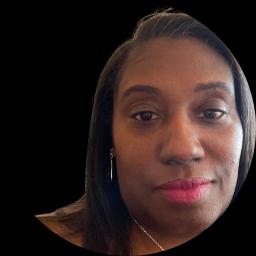
LPC-MH
Swiyah Whittington , LPC-MH
Therapist in Delaware
Online therapy - get matched and start messaging.
About Swiyah
With three years of formal experience as an LPC-MH and a total of 15 years working in mental health settings, she brings both recent clinical practice and long-term perspective. That background informs how she helps people handle trauma, abuse, dissociation, and complex emotions like guilt or shame. Swiyah also supports those managing chronic illness, caregiver stress, and isolation.
Her approach mixes Acceptance and Commitment Therapy with cognitive-behavioral tools and attachment-based thinking. She encourages mindful awareness of thoughts and feelings, then helps clients choose actions that align with their values. Sessions are conversational and focused on small, doable steps between meetings.
People commonly work with her on communication problems, impulsivity, forgiveness, and finding life purpose. She also addresses needs related to intellectual disability and disruptive mood patterns. Swiyah aims to make therapy approachable and to help people build skills they can use in daily life.
She practices from Delaware and conducts sessions in English. For someone seeking straightforward guidance on emotional healing and practical coping, she offers a calm, steady presence and hands-on strategies.
How therapeutic approaches translate to online care
Acceptance and Commitment Therapy (ACT) focuses on noticing thoughts and feelings without getting stuck in them, then choosing actions that match personal values. It can help with anxiety, depression, and finding direction when life feels stalled. Cognitive Behavioral Therapy (CBT) targets unhelpful thinking and behavior patterns by teaching concrete skills to change them, which is useful for stress, mood concerns, and problem-focused goals. Attachment-Based Therapy looks at how early relationship patterns shape current connections and emotional reactions, and it can be helpful for communication problems, trust issues, and healing after relationship wounds.Finding the right approach is part of the work. The therapist will talk with each person about goals, preferences, and what feels most useful. Together they decide which methods to try and adjust the plan as needed, keeping the process collaborative and practical.
Online therapy offers flexibility through video calls, phone sessions, live chat, and text-based messaging. Video is good for face-to-face interaction, phone works when bandwidth is limited, live chat can be a shorter check-in, and text messaging supports ongoing reflection between sessions. These options make it easier to fit therapy into busy lives and to use formats that match comfort and communication style.
Frequently asked questions
What concerns does she address?
She helps with stress, anxiety, depression, relationship issues, trauma and abuse, and self-esteem. Additional focuses include body image, caregiver stress, chronic illness, isolation, and life purpose.
What is her therapy style like?
Her style is conversational and practical, combining Acceptance and Commitment Therapy with cognitive-behavioral techniques and attachment-based ideas. Sessions emphasize mindful awareness and small steps clients can try between meetings.
How much clinical experience does she have?
She holds three years of professional experience as an LPC-MH and brings a total of 15 years working in mental health settings. That mix gives both current clinical practice and longer-term familiarity with the field.
Where is she licensed to practice?
She is a Delaware LPC-MH and practices in Delaware. Sessions are offered in English.
Can people outside the U.S. work with her?
She does not accept international clients at this time. Sessions are provided to people located where her licensure allows practice.
What session formats are available?
Sessions are offered as video calls, phone sessions, live chat, or text-based messaging. This range lets people choose what fits their schedule and communication preferences.
How is cost handled for sessions?
Cost varies with location and therapist availability and uses a subscription model that can be canceled at any time. Exact pricing depends on those factors.
What are the first steps to begin therapy?
To start, select the Start Therapy button, complete a short matching questionnaire, and then schedule according to therapist availability. The questionnaire helps match needs and preferences.
Areas of expertise
Primary focus
Additional focus areas
Therapeutic approaches
Experience
3+ years
Licensed
Delaware
Languages
English
Ready to work with Swiyah?
Begin with a short quiz to get matched and start messaging.
Start with Swiyah →