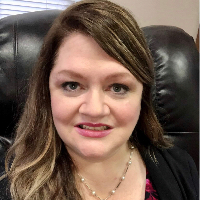
Tracey Byram is a Licensed Professional Counselor with 27 years of experience helping people manage stress, anxiety, depression, bipolar disorder, trauma, and relationship concerns. She also supports people facing parenting strain, grief, addiction, ADHD, body image struggles, and issues related to LGBT identity. Tracey writes plainly and listens carefully to understand what matters most to each person.
Her approach is practical and collaborative. She uses tools from cognitive behavioral therapy and acceptance and commitment therapy to help people change unhelpful thinking and act in line with their values. She also draws on attachment-based work to strengthen connections and on client-centered methods to keep sessions focused on the person's goals.
Tracey has worked in Georgia for many years and brings broad experience with complex care needs such as chronic illness, caregiver stress, co-morbidity, and trauma and abuse. She has supported people dealing with career change, intimacy concerns, parenting challenges, and the stresses that come with major life transitions.
Sessions tend to be straightforward and paced to the person's comfort. She uses coping skills, behavior-focused tasks, and value-driven goals tailored to each situation. Conversations often include problem-solving, emotion regulation strategies, and practice assignments to try between sessions.
People who choose her often want a steady, experienced counselor who explains options clearly and helps set realistic steps forward. Tracey works in English and maintains her LPC credential in Georgia.
Approaches that guide online work and progress
Tracey commonly uses cognitive behavioral therapy and acceptance and commitment therapy in online sessions. Cognitive behavioral therapy focuses on identifying and changing unhelpful thoughts and behaviors to reduce symptoms like anxiety or depression. Acceptance and commitment therapy helps people clarify their values and take committed actions, which can be useful for coping with chronic stress, mood shifts, or life changes.
She also integrates attachment-based ideas to address how relationships affect emotions and behavior. That work helps when intimacy, attachment issues, or family patterns contribute to distress. Choosing or adjusting an approach is a collaborative process. The therapist and client discuss goals, preferences, and what feels most useful, then try methods and tweak them over time to find the best fit.
Online formats include video calls, phone sessions, live chat, and text-based messaging. Video is good for face-to-face conversation and practicing skills together. Phone sessions can work when bandwidth is limited or when a shorter check-in fits a busy day. Live chat and messaging offer flexibility for brief check-ins, homework reviews, or ongoing support between sessions. These options make it easier to fit therapy into work, parenting, or caregiving schedules while keeping treatment focused on clear, practical steps.
Frequently asked questions
What concerns does Tracey help with?
She supports people facing stress, anxiety, depression, bipolar disorder, trauma and abuse, addictions, grief, relationship and intimacy issues, parenting strain, ADHD, and many related concerns.
What is her therapeutic style like?
Her style is collaborative and practical. Sessions focus on clear goals, skills practice, and steps to manage emotions and behavior.
How much clinical experience does she have?
Tracey has 27 years of counseling experience working with a wide range of issues and complex care needs.
What credential and location apply to her practice?
She is a Licensed Professional Counselor - LPC - and practices in Georgia.
Which languages and international arrangements are supported?
Sessions are offered in English. International clients are not currently accepted.
What session formats are available?
She provides video calls, phone sessions, live chat, and text-based messaging to suit different needs and schedules.
How does payment work and what does it cost?
Cost varies with location and therapist availability; sessions use a subscription model that can be canceled at any time.
How do I begin working with her?
Start by selecting the Start Therapy button, complete a short matching questionnaire, and schedule sessions according to therapist availability.
AddictionsLGBTRelationship issuesFamily conflictsGriefIntimacy-related issuesEating disordersSleeping disordersParenting issuesAnger managementSelf esteemCareer difficultiesCoping with life changesCoachingADHD
Additional focus areas
AbandonmentAdoption and foster careAttachment issuesAutism and Asperger SyndromeAvoidant personalityBlended family issuesBody imageCancerCaregiver issues and stressChronic pain, illness, and disabilityCo-morbidityCodependencyCommitment issuesCommunication problemsControl issuesCoping with natural or human-caused disasterDependent personalityDisruptive Mood Dysregulation Disorder (DMDD)DissociationDivorce and separationDomestic violenceEating and food-related issuesEmptinessFamily of origin issuesFamily problemsFatherhood issuesFertility issuesFirst responder issuesForgivenessGender dysphoriaGuilt and shameHoardingImpulsivityInfidelityIsolation / lonelinessJealousyLife purposeMen's issuesMidlife crisisVeteran and Armed Forces IssuesMoney and financial issuesMood disordersMulticultural concernsObsessions, compulsions, and OCDPanic disorder and panic attacksParanoiaPersonality disordersPhobiasPostpartum depressionPost-traumatic stressPregnancy and childbirthSeasonal Affective Disorder (SAD)Self-harmSelf-loveSexual assault and abuseSexualitySocial anxiety and phobiaSomatizationTraumatic brain injuryTrichotillomaniaWomen's issuesWorkplace issuesYoung adult issues