
Cheryl Marrow
LPC, LMFT· Accepting clientsDistrict of Columbia · 25 yrs exp
Addictions · Relationship · Family · Intimacy-related issues · +4 more
Read profileThe therapist listings are provided by BetterHelp and we will earn a commission if you use our link - at no cost to you.
Welcome to our directory of online therapists serving the District of Columbia. All therapists listed here are licensed in the District of Columbia, and you can explore profiles sorted by specialties, approaches, credentials and languages. Browse the listings below to find mental health professionals whose focus aligns with your needs.
District of Columbia · 25 yrs exp
Addictions · Relationship · Family · Intimacy-related issues · +4 more
Read profile
District of Columbia · 20 yrs exp
Stress, Anxiety · Relationship · Family · Self esteem · +1 more
Read profile
District of Columbia · 24 yrs exp
Relationship · Trauma and abuse · Intimacy-related issues · Self esteem · +4 more
Read profile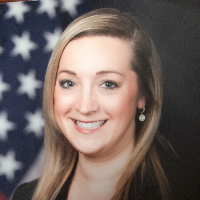
District of Columbia · 15 yrs exp
Relationship · Family · Trauma and abuse · Self esteem · +12 more
Read profile
District of Columbia · 19 yrs exp
Addictions · LGBT · Relationship · Trauma and abuse · +11 more
Read profile
District of Columbia · 22 yrs exp
Relationship · Family · Parenting · Anger · +5 more
Read profile
District of Columbia · 30 yrs exp
Stress, Anxiety · Relationship · Self esteem · Depression · +12 more
Read profile
District of Columbia · 10 yrs exp
Stress, Anxiety · Relationship · Grief · Intimacy-related issues · +9 more
Read profile
District of Columbia · 20 yrs exp
Stress, Anxiety · Relationship · Trauma and abuse · Parenting · +13 more
Read profile
District of Columbia · 20 yrs exp
Relationship · Family · Trauma and abuse · Depression · +14 more
Read profile
District of Columbia · 23 yrs exp
Stress, Anxiety · Grief · Self esteem · Depression · +14 more
Read profile
District of Columbia · 15 yrs exp
Stress, Anxiety · Relationship · Family · Trauma and abuse · +9 more
Read profile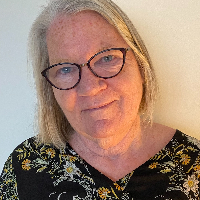
District of Columbia · 30 yrs exp
Family · Parenting · Career · Coping with life changes · +13 more
Read profile
District of Columbia · 14 yrs exp
Stress, Anxiety · Trauma and abuse · Grief · Career · +8 more
Read profile
District of Columbia · 25 yrs exp
Stress, Anxiety · Relationship · Trauma and abuse · Grief · +9 more
Read profile
District of Columbia · 5 yrs exp
Stress, Anxiety · Relationship · Family · Self esteem · +11 more
Read profile
District of Columbia · 4 yrs exp
Grief · Stress, Anxiety · Relationship · Family · +8 more
Read profile
District of Columbia · 24 yrs exp
Stress, Anxiety · Relationship · Family · Trauma and abuse · +15 more
Read profile
District of Columbia · 25 yrs exp
Coping with life changes · Coaching · ADHD
Read profile
District of Columbia · 30 yrs exp
Stress, Anxiety · Addictions · Trauma and abuse · Parenting · +15 more
Read profile
District of Columbia · 4 yrs exp
Stress, Anxiety · Family · Grief · Self esteem · +11 more
Read profile
District of Columbia · 16 yrs exp
Stress, Anxiety · Family · Trauma and abuse · Self esteem · +1 more
Read profile
District of Columbia · 16 yrs exp
Stress, Anxiety · LGBT · Relationship · Family · +6 more
Read profile
District of Columbia · 11 yrs exp
Stress, Anxiety · Trauma and abuse · Grief · Anger · +1 more
Read profileOnline therapy has become a common way for people in the District of Columbia to access mental health care without the need to travel to an office. Many licensed clinicians in the District offer video, phone or text-based sessions that let you connect from home, work or another comfortable environment. Those options can expand the pool of providers you can consider, allowing you to prioritize particular specialties, language skills or therapeutic approaches rather than limiting choices to geography alone. The legal and practice framework for online services follows the same licensing rules that govern in-person care, so you will find clinicians who are licensed to practice in the District and list online work among their offerings.
When you look at profiles on this directory, you will see a range of professional credentials and approaches. Some listings highlight experience with specific life stages or identity-related concerns while others emphasize particular therapeutic methods. Because profiles vary in how they describe scope and focus, you can use the information presented to identify clinicians who appear to address the kinds of concerns you want to work on. The directory is intended to help you gather options and learn what different therapists highlight about their practice and perspective.
Online therapy offers practical benefits that can be especially helpful in a busy urban environment like the District of Columbia. You can reduce commute time and schedule sessions around work or family responsibilities without needing to factor in travel. For people with mobility constraints, caregiving duties or nontraditional work hours, online sessions can make it easier to fit mental health care into daily life. The flexibility of remote sessions also helps when weather, transit disruptions or other obstacles would otherwise make attending an in-person appointment difficult.
Beyond convenience, online therapy can broaden your access to clinicians who speak your preferred language or who emphasize cultural perspectives that matter to you. In a diverse city, you may want a therapist who shares or understands specific cultural identities, immigration experiences or faith-based concerns. The ability to connect remotely can make those matches more attainable. You should also consider the technical requirements for online work - a stable internet connection and a personal location for your session help the conversation go smoothly. If you prefer a telephone session or low-bandwidth options, some clinicians list those as alternatives.
Online therapists in the District work with a wide range of mental health and life concerns. Many people reach out for help with anxiety, depression and stress related to work, school or family life. Others seek support for relationship difficulties, communication challenges, parenting stress or the emotional impacts of major transitions such as relocation, career shifts or changes in family structure. Therapists also frequently address grief and loss, coping after medical events, and concerns related to reproductive health or the perinatal period.
Trauma-related concerns and life events are commonly part of therapy work as well. You will see profiles that mention trauma-informed care or list specific approaches among their methods. If you are dealing with identity-specific stressors - for example those related to race, gender, sexual orientation or immigration status - you can look for clinicians who highlight experience working with those communities or who advertise language skills that match your needs. Because approaches and specialties vary, many people find it useful to read several profiles to identify practitioners who articulate perspectives and areas of focus that resonate with their own situation.
Verifying a therapist's license is an important step before starting online work. You can confirm licensure through the District of Columbia government license lookup or the relevant professional licensing board listed on the D.C. government website. Use the name shown on a therapist's profile to search the public registry and confirm that the license type matches what you expect - for example Licensed Clinical Social Worker, Licensed Professional Counselor, psychologist or medical doctor for psychiatry. The registry typically shows current license status, expiration dates and any disciplinary actions that are on record.
If you prefer a direct approach, you can contact the licensing office by phone or email to request verification instructions. Some professional associations also maintain directories that list members and their credentials, which can be a supplementary resource. When you review a profile, note the credential abbreviations and the degree listed, and then cross-check those details in the public registry. If you find discrepancies or if a listing shows an inactive status, consider asking the clinician for clarification about their licensure and how they are authorized to provide online services within the District.
Beginning online therapy often starts with exploring profiles to find a few professionals whose specialties, approaches and background align with what you want to address. Once you identify possibilities, reach out using the contact method provided in the profile. In that initial outreach, you can share brief information about your goals and preferred session format, and ask about the practical details you need to know before committing to a session. You might want to confirm the typical session length, the cost or fee structure, and which forms of payment or insurance are accepted.
Before your first meeting, plan a comfortable, distraction-free spot where you can talk. Test the technology that will be used for the session, whether that means a video conferencing link or a phone number, and review any consent or intake documents the clinician requests. Many therapists begin with an intake or assessment session to gather history and to outline an initial plan. Use that early conversation to describe what you hope to accomplish, any previous therapy experiences that felt helpful or unhelpful, and practical concerns that could affect how you work together. This exchange sets the tone for a collaborative process and helps both you and the therapist determine whether their approach feels like a good fit.
Choosing a therapist involves both practical and interpersonal considerations. Look at specialties to see who describes work with the specific concerns you want to address, and note the therapeutic approaches listed in profiles - for example cognitive behavioral methods, psychodynamic perspectives, mindfulness-based practices or somatic-informed work. Use phrasing such as therapists who list EMDR among their approaches to identify those who mention particular modalities, understanding that listing an approach does not indicate a specific credential beyond what is reported. Pay attention to language abilities and cultural perspectives if those elements affect your comfort and ability to connect.
Practical factors matter too. Think about session logistics like typical appointment length and the clinician's stated session format. Review information about fees and insurance to determine whether the financial terms align with your budget. When you reach out for an initial conversation, ask about their typical structure for early sessions and what kind of goals they tend to help clients set. Trust your sense of rapport from the first few conversations - effective therapy often depends on feeling understood and respected. If something about the interaction does not feel right, it is reasonable to continue searching until you find a match that feels supportive to you.
Finally, give yourself time in the early weeks to evaluate the fit and the direction of the work. Set small, measurable goals if that helps you track progress, and discuss them openly with your therapist. Therapy is a collaborative effort, and being clear about your priorities, communication preferences and pacing will help both of you make informed decisions about how to proceed. Using the tools on this directory to identify licensed clinicians who list relevant specialties and approaches can help you find someone whose profile aligns with your needs, and taking thoughtful steps to verify credentials and prepare for your first sessions will make entering online therapy more straightforward.