
Zatascha Burton
LPC· Accepting clientsGeorgia · 14 yrs exp
Stress, Anxiety · LGBT · Trauma and abuse · Anger · +9 more
Read profileThe therapist listings are provided by BetterHelp and we will earn a commission if you use our link - at no cost to you.
Welcome to the Georgia online therapy directory. All therapists listed here are licensed to practice in Georgia, and you can explore profiles to learn about their approaches and specialties.
Use the listings below to narrow your search by focus area, counseling approach, language and experience, and find a clinician who aligns with what you want from care.
Georgia · 14 yrs exp
Stress, Anxiety · LGBT · Trauma and abuse · Anger · +9 more
Read profile
Georgia · 19 yrs exp
Stress, Anxiety · Addictions · Trauma and abuse · Self esteem · +11 more
Read profile
Georgia · 25 yrs exp
Stress, Anxiety · Parenting · Anger · Self esteem · +15 more
Read profile
Georgia · 17 yrs exp
Relationship · Family · Trauma and abuse · Career · +13 more
Read profile
Georgia · 20 yrs exp
Stress, Anxiety · Addictions · Relationship · Trauma and abuse · +11 more
Read profile
Georgia · 18 yrs exp
Stress, Anxiety · Trauma and abuse · Self esteem · Depression · +7 more
Read profile
Georgia · 12 yrs exp
LGBT · Relationship · Bipolar · Coping with life changes · +6 more
Read profile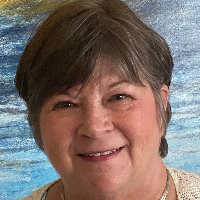
Georgia · 29 yrs exp
Stress, Anxiety · Self esteem · Depression · Coping with life changes · +13 more
Read profile
Georgia · 10 yrs exp
Stress, Anxiety · Family · Trauma and abuse · Depression · +11 more
Read profile
Georgia · 34 yrs exp
Stress, Anxiety · Addictions · Anger · Self esteem · +12 more
Read profile
Georgia · 9 yrs exp
Stress, Anxiety · Anger · Self esteem · Bipolar · +11 more
Read profile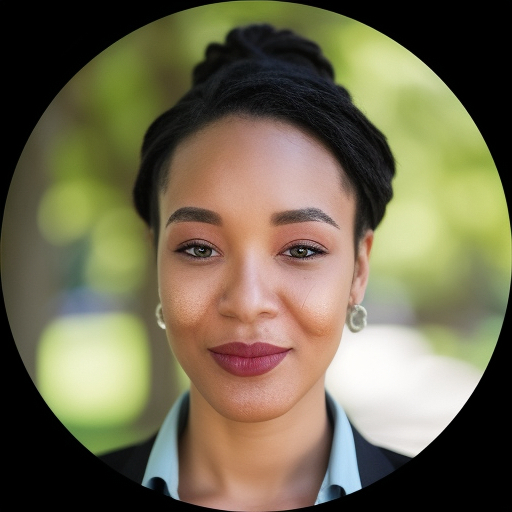
Georgia · 7 yrs exp
Stress, Anxiety · Trauma and abuse · Self esteem · Depression · +10 more
Read profile
Georgia · 18 yrs exp
Stress, Anxiety · Relationship · Family · Parenting · +16 more
Read profile
Georgia · 20 yrs exp
Stress, Anxiety · Relationship · Career · Depression · +13 more
Read profile
Georgia · 23 yrs exp
Stress, Anxiety · Family · Grief · Parenting · +8 more
Read profile
Georgia · 11 yrs exp
Stress, Anxiety · Addictions · Family · Trauma and abuse · +13 more
Read profile
Georgia · 7 yrs exp
Stress, Anxiety · Addictions · Relationship · Family · +8 more
Read profile
Georgia · 30 yrs exp
Stress, Anxiety · Addictions · Grief · Self esteem · +4 more
Read profile
Georgia · 20 yrs exp
Stress, Anxiety · Relationship · Family · Intimacy-related issues · +1 more
Read profile
Georgia · 15 yrs exp
Stress, Anxiety · Relationship · Grief · Self esteem · +11 more
Read profile
Georgia · 8 yrs exp
Relationship · Family · Parenting · Self esteem · +1 more
Read profile
Georgia · 8 yrs exp
LGBT · Relationship · Trauma and abuse · Self esteem · +14 more
Read profile
Georgia · 12 yrs exp
Stress, Anxiety · Trauma and abuse · Grief · Self esteem · +12 more
Read profile
Georgia · 30 yrs exp
Stress, Anxiety · Relationship · Family · Depression · +12 more
Read profileOnline therapy has become a widely used option for people across Georgia, from metro areas to rural counties. If you live in Atlanta, Savannah, Augusta or a smaller town, you can find licensed clinicians who offer sessions by video or phone so you do not have to travel for every appointment. Many clinicians list telehealth or online sessions among the services they provide, and the variety of specialties means you can connect with someone who focuses on the issues you want to address. Because licensing and professional rules shape how therapy is offered, therapists who provide online care while working with Georgia residents are licensed to practice in the state. That means their professional profiles typically indicate a license type such as a licensed professional counselor, a licensed clinical social worker, a licensed marriage and family therapist or a psychologist, along with the state where that license is issued.
For many people in Georgia, online therapy reduces barriers related to distance, transportation and time. It can also make it easier to fit care around work, school or family responsibilities. You may find clinicians who offer evening or weekend sessions, and others who structure a series of shorter appointments or longer initial consultations depending on what you need. While the technology and setting are different from in-person work, the therapeutic alliance - the collaborative relationship between you and your clinician - is still the core of effective care. When you review profiles, look for descriptions of the clinician’s focus areas, the types of issues they commonly work with and the approaches they list, since these details help you form expectations for how a clinician may work with you online.
Online therapy offers several practical benefits that may be important when you are choosing how to access care in Georgia. One major advantage is convenience; you can join sessions from your home, from a car between errands or from a quiet room at work, avoiding long commutes and parking. If you live in a community with fewer in-person options, online appointments broaden your choices so you can connect with clinicians who speak your language or who list experience with your particular concerns. Online sessions can also help you maintain continuity during life transitions, such as moving between communities, attending school out of state or managing work travel. Many people find that virtual sessions feel just as personal as in-office visits when they take place in a comfortable environment and with a clinician they trust.
Technology is a practical component of online therapy. You do not need expensive equipment - a smartphone, tablet or laptop with a camera and a reliable internet connection are often sufficient. Before committing to a clinician, think about the place you will use for sessions so it is comfortable and minimizes interruptions. You might choose a spare room, a parked car in a quiet spot or another space where you feel able to focus. If you have concerns about privacy at home, consider scheduling sessions at times when others are less likely to be present or discuss alternatives with the clinician during an initial conversation.
Therapists who offer online services in Georgia list a wide range of focus areas and specialties on their profiles. Common reasons people seek online therapy include managing anxiety, working through depression, navigating relationship challenges, coping with grief and loss, addressing life transitions such as career changes or parenting, and exploring identity-related concerns. Many clinicians also describe experience supporting people through stress related to work, school or caregiving responsibilities, as well as those seeking help with behavioral patterns, communication skills and self-care strategies. When you read profiles, you will see clinicians describe theoretical approaches and practical techniques. For example, some clinicians list cognitive-behavioral methods among their approaches, others mention mindfulness-based strategies, and some identify family systems or psychodynamic perspectives. Because profile wording varies, pay attention to how clinicians describe the goals they help clients pursue rather than assuming formal credentials for specific techniques.
Different approaches resonate with different people. You might be drawn to clinicians who list skills-oriented approaches if you want structured tools to manage symptoms, or to those who emphasize exploration of life history and patterns if you want to understand how past events influence present behavior. If cultural identity, race, religion or sexual orientation are important aspects of your life, you can look for clinicians who mention those topics among their areas of focus or who list languages they speak. Profiles often include information about the types of clients clinicians commonly work with, such as adults, adolescents or couples, which can help you assess fit before reaching out.
Verifying a therapist’s license in Georgia is an important step when you are considering online care. Start by locating the license information on the clinician’s profile, which often lists the license type and the state that issued it. You can then check the Georgia state licensing boards to confirm the license is active and to review any public disciplinary history. The Georgia Composite Board for Professional Counselors, Social Workers, and Marriage and Family Therapists and the Georgia Board of Examiners of Psychologists maintain searchable license lookups where you can enter a name or license number. These lookups typically show current status, license type, expiration date and any publicly reported actions. If you have questions about the information you find, you can contact the licensing board directly for clarification. Verifying licensure helps ensure the clinician meets state standards for practice and that you are working with someone authorized to provide care to residents of Georgia.
When reviewing licensing information, confirm that the license is active and that the license type matches the mental health service you are seeking. Different licenses may have different scopes of practice and titles, so knowing whether a clinician is a licensed professional counselor, a licensed clinical social worker, a licensed marriage and family therapist or a psychologist can help you align expectations. Also review whether the license lists Georgia as the state of issuance, especially if the clinician indicates they provide services to people located in Georgia. Look for expiration dates and any notes about disciplinary history that are posted publicly. If you find information you do not understand, the licensing board can usually provide guidance about how to interpret public records.
Getting started with an online therapist in Georgia begins with clarifying your goals. Think about what you hope to address in therapy - symptom relief, skill-building, relationship work or exploring life decisions. Use search filters to narrow clinicians by focus areas, approaches they list, language and professional credentials. As you review profiles, read how clinicians describe their work style and the types of challenges they commonly help with. A short introductory message or phone call can help you learn about session structure, fees, insurance options and how they conduct intake. When you reach out, it is appropriate to ask how the clinician typically structures sessions, what a typical course of work looks like and what kind of outcomes they help clients pursue. These conversations are about fit and clarity rather than clinical guarantees.
Fit involves more than credentials. Pay attention to how a clinician writes about their work and whether that language resonates with you. Consider practical factors such as the clinician’s session length, whether they list experience with your specific concern, the languages they speak and how they describe their approach to cultural differences. Client-clinician rapport matters; you may prefer someone who emphasizes skills and structure or someone who focuses on exploration and reflection. If language or cultural background is important to you, look for clinicians who explicitly note that in their profiles. Finally, think about logistics like technology platforms, payment methods and how the clinician handles emergencies or crisis situations, and make sure those arrangements match what you need to feel comfortable in therapy.
Online therapy in Georgia offers flexible pathways to care when you understand how to evaluate profiles and verify licensure. By clarifying your goals, reviewing clinician profiles for focus areas and approaches, and confirming licensure through state resources, you can take intentional steps toward finding a clinician who aligns with your needs. Use the listings on this page to explore options and begin the process of reaching out to clinicians whose descriptions match what you want from therapy.