
Lucritia (Ann) Sayles
LIMHP· Accepting clientsNebraska · 14 yrs exp
Stress, Anxiety · Grief · Bipolar · Depression · +13 more
Read profileThe therapist listings are provided by BetterHelp and we will earn a commission if you use our link - at no cost to you.
Welcome to WellNotesForHer's directory of online therapists serving Nebraska. All therapists listed on this page are licensed in Nebraska; explore the profiles below to compare approaches, focus areas, credentials, languages and experience.
Nebraska · 14 yrs exp
Stress, Anxiety · Grief · Bipolar · Depression · +13 more
Read profile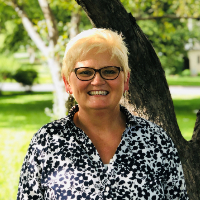
Nebraska · 17 yrs exp
Stress, Anxiety · Family · Trauma and abuse · Depression · +12 more
Read profile
Nebraska · 35 yrs exp
LGBT · Relationship · Family · Intimacy-related issues · +6 more
Read profile
Nebraska · 25 yrs exp
Stress, Anxiety · Trauma and abuse · Anger · Self esteem · +1 more
Read profile
Nebraska · 5 yrs exp
Stress, Anxiety · Relationship · Trauma and abuse · Self esteem · +1 more
Read profile
Nebraska · 8 yrs exp
Relationship · Family · Grief · Career · +1 more
Read profile
Nebraska · 33 yrs exp
Stress, Anxiety · Trauma and abuse · Self esteem · Depression · +3 more
Read profile
Nebraska · 5 yrs exp
Stress, Anxiety · Addictions · Self esteem · Depression · +1 more
Read profile
Nebraska · 5 yrs exp
Stress, Anxiety · Trauma and abuse · Intimacy-related issues · Self esteem · +1 more
Read profile
Nebraska · 3 yrs exp
Stress, Anxiety · Grief · Anger · Coping with life changes · +1 more
Read profile
Nebraska · 14 yrs exp
Stress, Anxiety · Addictions · Relationship · Trauma and abuse · +15 more
Read profile
Nebraska · 8 yrs exp
Stress, Anxiety · Trauma and abuse · Grief · Self esteem · +8 more
Read profile
Nebraska · 36 yrs exp
Stress, Anxiety · Family · Grief · Intimacy-related issues · +12 more
Read profile
Nebraska · 16 yrs exp
Stress, Anxiety · Trauma and abuse · Parenting · Depression · +12 more
Read profile
Nebraska · 11 yrs exp
Stress, Anxiety · Relationship · Family · Grief · +13 more
Read profile
Nebraska · 15 yrs exp
Stress, Anxiety · Family · Trauma and abuse · Depression · +11 more
Read profile
Nebraska · 10 yrs exp
Stress, Anxiety · Relationship · Intimacy-related issues · Self esteem · +13 more
Read profile
Nebraska · 10 yrs exp
Stress, Anxiety · Relationship · Family · Trauma and abuse · +9 more
Read profile
Nebraska · 20 yrs exp
Stress, Anxiety · Relationship · Anger · Depression · +1 more
Read profile
Nebraska · 8 yrs exp
Stress, Anxiety · Parenting · Anger · Depression · +9 more
Read profile
Nebraska · 27 yrs exp
Stress, Anxiety · Relationship · Family · Trauma and abuse · +9 more
Read profile
Nebraska · 8 yrs exp
Stress, Anxiety · Anger · Self esteem · Coping with life changes · +11 more
Read profile
Nebraska · 6 yrs exp
Stress, Anxiety · Family · Trauma and abuse · Parenting · +15 more
Read profile
Nebraska · 30 yrs exp
Grief · Parenting · Self esteem · Coping with life changes · +1 more
Read profileIn recent years online therapy has become a familiar option for people across Nebraska, from Lincoln and Omaha to smaller towns and rural counties. Technological improvements, broader broadband coverage in many areas and changes in practice patterns have made it easier for residents to connect with counselors by video, phone or messaging. Online services are offered by licensed clinicians who operate under Nebraska practice rules, and many list a range of approaches and specialties on their profiles so you can get a sense of their interests and methods before you reach out. If you live in an area where in-person options are limited, online sessions can expand the pool of professionals you can consult without requiring long travel.
Regulation of telehealth and remote counseling is handled at the state level, and therapists who provide online care to Nebraska residents typically hold a current Nebraska license. On directory profiles you will often see the types of credentials practitioners hold, the populations they work with and notes about the formats they use for sessions. Reading profiles carefully will help you understand which clinicians describe experience relevant to your situation and which therapists list particular approaches among their methods. This overview is meant to help you get started and does not replace checking official licensing information or direct contact with a clinician.
Online therapy offers a number of practical benefits that may matter to you depending on your schedule, location and life demands. For people juggling work, family responsibilities or changes in routine, remote sessions can reduce commute time and make it easier to fit counseling into weekdays, evenings or other parts of the day. If you live in a rural area of Nebraska where specialized services are scarce, online options can give you access to clinicians who focus on niche areas such as perinatal mental health, trauma-informed care or support for specific cultural communities.
Many people find that the convenience of logging on from home supports consistent engagement with therapy. Being in your chosen environment can make it easier to practice techniques between sessions or to bring real-life situations directly into the work. You can also search for clinicians who offer services in languages you prefer or who describe experience with particular life stages or identities. While online therapy is not the right fit for every situation, the flexibility and geographic reach it provides make it a useful choice for many Nebraskans seeking counseling support.
Online therapists in Nebraska work with a broad range of concerns that people typically seek counseling for. You will find clinicians who focus on anxiety and worry, mood-related struggles such as depression, relationship and family issues, parenting challenges, grief and life transitions. Many profiles indicate experience supporting people through workplace stress, identity questions, adjustment to major life changes and coping with chronic conditions.
People also look for clinicians who list approaches aimed at managing stress, improving sleep, addressing intrusive memories or learning interpersonal skills. Some therapists describe working with couples on communication and conflict, while others list support for postpartum concerns, adolescent issues or the needs of older adults. When reading profiles you may notice therapists who list cognitive behavioral therapy among their approaches, therapists who list mindfulness-based methods among their approaches or therapists who list EMDR among their approaches; these descriptions indicate what a clinician highlights on their profile but do not imply specific certifications. Choosing someone who mentions work with the types of issues you face can help you find a good fit for the themes you want to address.
Verifying a therapist's license is an important step you can take before beginning work together. To confirm licensure, look for the clinician's license number on their profile or request it directly. With a name and license number you can consult Nebraska's licensing resources online. State licensing boards maintain public directories where you can check a provider's license status, expiration date and any recorded disciplinary history. These resources also explain which credential corresponds to different practice scopes, such as licensed professional counselors, licensed clinical social workers or marriage and family therapists.
If you prefer direct assistance, you can contact the appropriate Nebraska licensing board by phone or email to ask how to verify a license and whether a practitioner is in good standing. Keep in mind that titles and abbreviations may differ, so confirm the exact credential listed on a profile. Save any confirmation, such as a screenshot of the licensure lookup or written correspondence, for your records. Doing this verification helps you make an informed decision about a clinician's authority to practice within Nebraska and gives you clarity about their licensure type and standing.
Starting with an online therapist is often a straightforward process that begins with a clear idea of what you want from counseling. Think about the primary concerns you want to address, the session formats you prefer - video, phone or text-based check-ins - and any logistical factors like language or counselor demographics that matter to you. Use profile filters on the directory to narrow down clinicians by focus areas, modalities and languages, then read several profiles to understand how therapists describe their work. When you find a few profiles that resonate, reach out using the contact method listed to request an introductory message or to ask basic questions about their approach, experience and what to expect during early sessions.
Before your first appointment, prepare by identifying a quiet area where you can talk without interruptions and by confirming whether you need any technology or app accounts. It can be helpful to list a few goals you would like to work on, along with any current medications, other treatments you are receiving and any prior therapy experience. Having this information ready will let you make the most of the initial meeting and help the clinician tailor their approach to your situation.
Choosing the right therapist is a personal process that blends clinical fit with practical considerations. Prioritize clinicians who describe experience with the issues you want to address and who list approaches that align with how you prefer to work. For example, if you want skill-based strategies you might look for therapists who list cognitive behavioral approaches among their methods, while if you prefer a more relational focus you might look for clinicians who emphasize interpersonal or attachment-informed work. Language, cultural background and stated populations of focus can also matter if you want a therapist who understands specific life contexts or identities.
Trust your instincts about rapport. It is reasonable to consider whether a clinician's description of their style feels like a match for you. Think about communication preferences, such as whether you want a therapist who offers structured homework or one who focuses on open-ended exploration. Practical details like fees, insurance policies and session length are important to clarify up front. Finally, remember that it is normal to connect more strongly with some clinicians than others; the goal is finding a practitioner whose orientation, experience and communication style help you feel heard and supported as you pursue your goals.
Online therapy can broaden the range of professionals you can consider in Nebraska. By reviewing profiles carefully, verifying licensure, preparing for a first meeting and reflecting on what matters most in a therapeutic relationship, you can take informed steps toward finding a clinician who meets your needs. Use the directory listings below to begin comparing profiles and to identify therapists who describe the approaches and focus areas that match your priorities.