
Stacey Sugar
MD, LCPC, LPCC· Accepting clientsCalifornia · 14 yrs exp
Stress, Anxiety · Relationship · Family · Intimacy-related issues · +9 more
Read profileThe therapist listings are provided by BetterHelp and we will earn a commission if you use our link - at no cost to you.
Welcome to WellNotesForHer's California directory for online therapists. All professionals listed here hold California licenses to provide telehealth services within the state.
Explore the listings to learn about each therapist's specialties, approaches, languages, and experience to find a good fit for your needs.
California · 14 yrs exp
Stress, Anxiety · Relationship · Family · Intimacy-related issues · +9 more
Read profile
California · 38 yrs exp
Stress, Anxiety · Addictions · Relationship · Family · +1 more
Read profile
California · 20 yrs exp
Stress, Anxiety · Relationship · Family · Parenting · +15 more
Read profile
California · 7 yrs exp
Stress, Anxiety · LGBT · Trauma and abuse · Self esteem · +1 more
Read profile
California · 20 yrs exp
Stress, Anxiety · Grief · Self esteem · Career · +1 more
Read profile
California · 20 yrs exp
Stress, Anxiety · Addictions · Relationship · Trauma and abuse · +15 more
Read profile
California · 10 yrs exp
Stress, Anxiety · Addictions · Trauma and abuse · Self esteem · +6 more
Read profile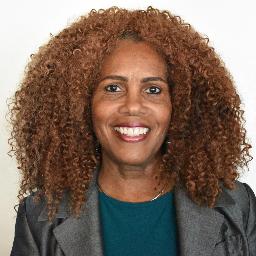
California · 22 yrs exp
Stress, Anxiety · Anger · Self esteem · Depression · +9 more
Read profile
California · 3 yrs exp
Stress, Anxiety · Addictions · Relationship · Family · +14 more
Read profile
California · 10 yrs exp
Stress, Anxiety · Relationship · Grief · Self esteem · +11 more
Read profile
California · 14 yrs exp
Stress, Anxiety · Addictions · Relationship · Depression · +10 more
Read profile
California · 12 yrs exp
Stress, Anxiety · Trauma and abuse · Grief · Self esteem · +12 more
Read profile
California · 29 yrs exp
Relationship · Family · Trauma and abuse · Intimacy-related issues · +12 more
Read profile
California · 11 yrs exp
Stress, Anxiety · Family · Trauma and abuse · Grief · +12 more
Read profile
California · 12 yrs exp
Stress, Anxiety · LGBT · Parenting · Depression · +6 more
Read profile
California · 25 yrs exp
Stress, Anxiety · Trauma and abuse · Grief · Self esteem · +1 more
Read profile
California · 20 yrs exp
Stress, Anxiety · Addictions · Relationship · Family · +1 more
Read profile
California · 40 yrs exp
Stress, Anxiety · Relationship · Eating · Self esteem · +1 more
Read profile
California · 40 yrs exp
Stress, Anxiety · Relationship · Grief · Parenting · +1 more
Read profile
California · 10 yrs exp
Stress, Anxiety · Relationship · Trauma and abuse · Parenting · +1 more
Read profile
California · 27 yrs exp
Stress, Anxiety · LGBT · Relationship · Family · +11 more
Read profile
California · 13 yrs exp
Stress, Anxiety · Relationship · Family · Trauma and abuse · +1 more
Read profile
California · 6 yrs exp
Trauma and abuse · Intimacy-related issues · Bipolar · Depression · +9 more
Read profile
California · 5 yrs exp
Stress, Anxiety · Trauma and abuse · Parenting · Self esteem · +1 more
Read profileOnline therapy in California has become a common way to connect with licensed mental health professionals across the state, from rural communities to dense urban centers. State licensing determines whether a clinician may provide telehealth services to residents, and in California that framework governs how care is delivered and where a clinician can legally offer services. When you look through listings, you will see that therapists describe the platforms they use, the formats they offer - such as video sessions, phone sessions, or messaging - and the populations they work with. Those descriptions help you understand how a therapist structures their practice and what you might expect from initial outreach through ongoing work.
Telehealth rules can change, and telehealth practice may include clinical, ethical, and technical considerations that affect how sessions are scheduled, documented, and billed. If you want to know more about how a particular therapist conducts telehealth, the listing details often note session format, languages spoken, and general areas of focus. That information can help you identify clinicians who align with your logistical needs as well as your therapeutic goals.
Choosing online therapy can reduce barriers to care by removing travel time and letting you meet with a clinician from a comfortable environment. For people living in regions with limited local options, therapy by video or phone can expand your choices and make it easier to see someone whose background or experience aligns with your concerns. Online sessions also support flexibility - you can often connect from home during breaks from work or from another dependable location in California when both you and your clinician agree that it is appropriate.
Online therapy can also make it easier to work with clinicians who offer services in languages other than English or who focus on certain cultural or identity-related issues. Because therapists list their languages and specialties, you can prioritize clinicians who indicate experience working with communities and issues that matter to you. The format also supports people who prefer shorter, more frequent check-ins or structured therapeutic approaches that translate well to video sessions.
Online therapists address a wide range of concerns that people commonly bring to therapy. Many clinicians note experience supporting people coping with anxiety, depression, relationship stress, life transitions such as career change or becoming a parent, and grief. Others list experience with trauma-related concerns, stress management, self-esteem, and issues connected to identity, gender, and sexuality. For those seeking specialized care, some therapists list approaches aimed at trauma, mood regulation, or communication skills, and you can look for those descriptions to match the type of support you want.
When you read a therapist's profile, pay attention to how they describe the populations they work with and the language they use for presenting issues. Some therapists indicate that they work with adults across the lifespan, while others emphasize work with adolescents, couples, or families. You may also find clinicians who list modalities such as cognitive behavioral therapy, psychodynamic approaches, mindfulness-based work, or therapies addressing trauma - when such approaches are mentioned in a profile they reflect what the therapist includes among their approaches, not a certification or guarantee of outcomes. That nuance can guide your questions during an initial conversation so you get a clearer sense of fit.
Verifying licensure is an important step when you are considering a therapist. In California, you can confirm a clinician's status through the state licensing board for their profession. Profiles often list the type of license a clinician holds, such as Licensed Marriage and Family Therapist or Licensed Clinical Social Worker, and the license number may be provided. The California Board of Behavioral Sciences and other relevant state boards allow you to look up a license number to check that it is current and whether disciplinary actions are recorded.
If you want to verify credentials, locate the license information on a therapist's profile and use the appropriate board's online search tool. Enter the clinician's name or license number to view public records about licensure status, expiration dates, and disciplinary history. Checking language, education, and professional background in the profile gives you context, but the licensing board is where you confirm legal standing to practice in California. If you have questions about a listing or need clarification before you begin, you can reach out directly to the clinician to ask about their licensure and professional background.
Beginning online therapy typically starts with identifying a few therapists whose profiles match your needs, then reaching out to ask preliminary questions. Many listings offer a brief description of the therapist's approach, populations served, and the kinds of issues they commonly address. Use those descriptions to narrow your options and prepare a short set of questions about session format, fees, insurance policies, and how they structure treatment goals. It is reasonable to ask how they handle emergencies by phone or local resources if you need urgent support, and to inquire about any intake paperwork or forms required before your first session.
Once you contact a clinician, expect some administrative steps like consent forms related to telehealth, basic intake questionnaires, and a plan for scheduling. A first session is often exploratory - you and the therapist discuss your goals, treatment preferences, and what a productive working relationship would look like. Since you are seeking care online, you may want to confirm the technology you will use for sessions and whether any accommodations are available for connection issues or accessibility needs. Starting with clear, practical questions helps you feel prepared and increases the likelihood that sessions will be useful from the outset.
Before you begin outreach, clarify what you want from therapy. Are you looking for short-term skills and strategies, or longer-term support for deeper life patterns? Do you prefer a clinician who emphasizes practical techniques, or someone who focuses on exploring emotional history? Knowing whether you prioritize location, language, cultural understanding, or a specific therapeutic approach will make it easier to assess profiles and find therapists who describe the background and focus you value.
When you contact a therapist, ask concise questions about their approach, how they measure progress, and what a typical session looks like. You can inquire whether they list certain therapeutic methods among their approaches and how they apply those methods in practice. Pay attention to how the therapist explains their process and how comfortable you feel with their communication style. Your sense of being heard and respected during that initial exchange is often an important indicator of fit.
Practical considerations matter as well. Confirm the session format, language options listed in the profile, and whether insurance or sliding-scale fees are discussed. Think about privacy in your own environment and choose a location where you can participate in sessions without interruption. If you have specific scheduling needs or accessibility requirements, include these in your initial messages so the clinician can describe whether the session structure aligns with your life.
Finding the right online therapist is a personal process that blends logistics, therapeutic focus, and interpersonal fit. By using the detailed information in profiles to guide your search, verifying licensure through state resources, and preparing thoughtful questions for initial contact, you can make informed choices about who to approach. Take your time reviewing listings - when you find clinicians whose descriptions align with your needs and values, reaching out is the next step toward establishing the kind of supportive relationship that helps you pursue your goals.