
Dr. Daniella Jackson
LMHC· Accepting clientsFlorida · 20 yrs exp
Stress, Anxiety · Addictions · Relationship · Self esteem · +16 more
Read profileThe therapist listings are provided by BetterHelp and we will earn a commission if you use our link - at no cost to you.
Welcome to our directory of online therapists serving Florida. All therapists listed here are licensed in Florida, and visitors can explore profiles to compare approaches, credentials, languages, and specialties.
Florida · 20 yrs exp
Stress, Anxiety · Addictions · Relationship · Self esteem · +16 more
Read profile
Florida · 25 yrs exp
Relationship · Trauma and abuse · Grief · Anger · +12 more
Read profile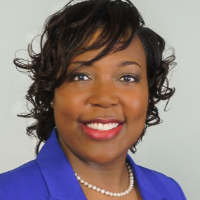
Florida · 10 yrs exp
Relationship · Family · Self esteem · Depression · +4 more
Read profile
Florida · 10 yrs exp
Stress, Anxiety · Addictions · Family · Grief · +8 more
Read profile
Florida · 18 yrs exp
Stress, Anxiety · Relationship · Grief · Depression · +12 more
Read profile
Florida · 15 yrs exp
Stress, Anxiety · Addictions · Trauma and abuse · Self esteem · +14 more
Read profile
Florida · 22 yrs exp
Stress, Anxiety · Self esteem · Depression · Coping with life changes · +5 more
Read profile
Florida · 30 yrs exp
Stress, Anxiety · Relationship · Intimacy-related issues · Self esteem · +8 more
Read profile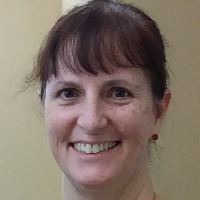
Florida · 32 yrs exp
Stress, Anxiety · Addictions · Relationship · Family · +13 more
Read profile
Florida · 20 yrs exp
Addictions · Relationship · Trauma and abuse · Parenting · +14 more
Read profile
Florida · 17 yrs exp
Stress, Anxiety · Trauma and abuse · Eating · Self esteem · +14 more
Read profile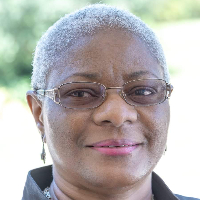
Florida · 19 yrs exp
Stress, Anxiety · Family · Grief · Depression · +12 more
Read profile
Florida · 30 yrs exp
Addictions · Relationship · Self esteem · Depression · +3 more
Read profile
Florida · 20 yrs exp
Stress, Anxiety · Grief · Self esteem · Depression · +9 more
Read profile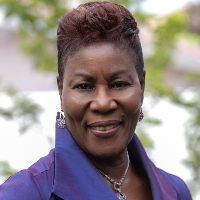
Florida · 21 yrs exp
Addictions · Relationship · Family · Self esteem · +2 more
Read profile
Florida · 24 yrs exp
Stress, Anxiety · Addictions · Grief · Self esteem · +14 more
Read profile
Florida · 10 yrs exp
Stress, Anxiety · Trauma and abuse · Grief · Depression · +12 more
Read profile
Florida · 13 yrs exp
Stress, Anxiety · Self esteem · Depression · Coping with life changes · +7 more
Read profile
Florida · 33 yrs exp
Stress, Anxiety · LGBT · Relationship · Eating · +8 more
Read profile
Florida · 26 yrs exp
Stress, Anxiety · Addictions · LGBT · Intimacy-related issues · +1 more
Read profile
Florida · 20 yrs exp
Stress, Anxiety · Relationship · Grief · Self esteem · +1 more
Read profile
Florida · 25 yrs exp
Stress, Anxiety · Relationship · Trauma and abuse · Self esteem · +2 more
Read profile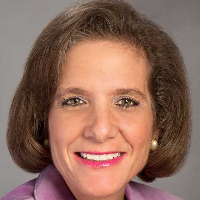
Florida · 20 yrs exp
Stress, Anxiety · Relationship · Grief · Parenting · +1 more
Read profile
Florida · 35 yrs exp
Stress, Anxiety · Family · Grief · Eating · +16 more
Read profileOnline therapy has become an established option for people across Florida seeking counseling and mental health support. You can connect with professionals who list a wide range of approaches, work with different populations, and speak multiple languages without leaving your city or town. Regulations in Florida allow licensed mental health professionals to provide services across most of the state when their licensing and practice policies permit remote work. That means whether you live in a dense urban area, a suburban neighborhood, or a rural community, you can often find a clinician who lists the approaches and specialities that match your needs.
The way therapists present their services varies. Some profiles emphasize theoretical approaches, while others highlight specialty areas such as anxiety, mood concerns, relationship challenges, or life transitions. When browsing, you will see the types of credentials each therapist lists, the formats they offer, and the languages they note on their profile. Those details help you narrow choices before reaching out for an initial conversation.
Online therapy can change the way you access mental health care by reducing travel time and allowing more flexible scheduling around work, school, or family responsibilities. For many people in Florida, it removes geographic limits and makes it easier to connect with clinicians who share cultural backgrounds or speak the same language. Remote sessions can also allow you to maintain continuity of care if you travel within the state for work or family reasons.
Another advantage is the expanded range of approaches you can explore. If you prefer a therapist who lists EMDR among their approaches or someone who lists mindfulness-based methods, you can search and read profiles to find clinicians who match those interests. Online formats can work well for talk-based interventions, skills coaching, and short-term or longer-term counseling. You should also consider how a remote format fits your personal preferences - some people feel more comfortable talking from their home, while others prefer an in-person setting. Thinking about what feels most supportive for you is an important first step.
Online therapists in Florida commonly work with people on a broad spectrum of concerns, from everyday stress and adjustment challenges to more persistent mood and anxiety symptoms. You can find clinicians who list specialties in relationship issues, parenting and family stress, grief and loss, life transitions such as relocation or retirement, and workplace-related difficulties. Many profiles also describe experience with trauma-related concerns, though profiles will typically indicate approaches rather than specific certifications or formal training.
If you are exploring therapy for relationship challenges, you may find therapists who list marriage and family work among their approaches. If you are looking for support with parenting or adolescent concerns, there are clinicians who note family-focused approaches. For people dealing with grief, addiction-related patterns, or chronic stress, online therapy can offer consistent support while you manage other commitments. Keep in mind that a therapist’s profile is a starting point; your conversations with a clinician will clarify how their approach aligns with your goals and whether their style feels like a good match.
Verifying a therapist’s license is a practical step that helps you confirm professional credentials and review any board records. Start by locating the license number and the licensing board listed on a therapist’s profile. Licenses for mental health professionals in Florida can include clinical social work, mental health counseling, marriage and family therapy, and psychology. Once you have a name and license type, use the Florida Department of Health license verification tool or the relevant state board's license lookup to check the practitioner’s status.
When you search a license record, look for the license status, issue and expiration dates, and any publicly posted disciplinary actions or restrictions. Profiles sometimes list educational background and license issuance dates, which you can compare to the official record. If you see anything unclear on a profile or a board record, you can contact the licensing board for more information. Confirming these details is an important part of choosing a clinician who meets your expectations for credentials and regulatory standing.
A license record will typically show the professional’s name, license type, and current status. It may also include the license number and the date the license was granted. Pay attention to whether a record notes any public disciplinary actions or restrictions on practice. Those entries are part of the public record and can help you understand a clinician’s professional history. If a profile lists additional credentials or degrees, you can check that information against the licensing record when applicable.
Beginning therapy online involves several practical steps. First, identify priorities that matter most to you - this might be a therapist’s approach, language, experience with specific issues, or certain credentials. Use the directory filters to narrow options and read profiles for details about how each clinician describes their work. When you find a few profiles that resonate, reach out to ask questions about their approach, typical session structure, fees, and whether they accept your method of payment or insurance. Initial conversations are a chance to get a feel for communication style and to see whether the clinician answers your questions clearly.
Preparing for your first session will help you make the most of the experience. Choose a quiet, private space where you feel comfortable speaking openly. Test your internet connection and the device you plan to use so technical issues are less likely to interrupt the session. Think about what you want to focus on in early sessions - whether you have specific goals, immediate concerns, or longer-term themes you want to address. Bringing a short list of topics or questions can make the first meetings more productive.
Feeling comfortable with a clinician is a key part of effective therapy. Notice how a therapist communicates during your first contacts and whether their explanations of approach and goals resonate with you. It is appropriate to ask how they typically work with issues like yours and how they help clients measure progress. If a therapist’s profile says they use specific methods, remember that such listings indicate what they offer rather than formal certifications in that method. You may want to compare clinicians on credentials, years of practice, languages spoken, and approach descriptions to decide who seems most likely to match your preferences.
Cost is an important practical factor. Profiles often list fee ranges, insurance networks, or payment options, and those are reasonable topics to bring up when you connect. Ask whether they provide a sliding scale or accept certain insurers if that is relevant to your planning. Also ask about session length and typical scheduling patterns so you understand how therapy would fit into your routine. While you should not expect guaranteed outcomes, clear conversations about structure, fees, and administrative details help you make an informed choice.
Choosing an online therapist is a personal process. By combining careful profile review, license verification, and open conversations, you can find a clinician who matches your needs and communication style. Take the time to reflect on what feels most supportive for you - that reflection is a meaningful first step toward productive work with a therapist.