
Anne Douglas
LMFT· Accepting clientsNorth Carolina · 25 yrs exp
Stress, Anxiety · Relationship · Family · Grief · +15 more
Read profileThe therapist listings are provided by BetterHelp and we will earn a commission if you use our link - at no cost to you.
Welcome to our directory for online therapists who serve North Carolina residents. All therapists listed here hold a North Carolina license, so you can review profiles with confidence. Explore the listings to compare specialties, approaches, languages and experience that match what you need.
North Carolina · 25 yrs exp
Stress, Anxiety · Relationship · Family · Grief · +15 more
Read profile
North Carolina · 21 yrs exp
Stress, Anxiety · Grief · Eating · Depression · +12 more
Read profile
North Carolina · 28 yrs exp
Stress, Anxiety · Addictions · LGBT · Depression · +12 more
Read profile
North Carolina · 15 yrs exp
Stress, Anxiety · Relationship · Anger · Depression · +12 more
Read profile
North Carolina · 30 yrs exp
LGBT · Relationship · Family · Trauma and abuse · +13 more
Read profile
North Carolina · 10 yrs exp
Stress, Anxiety · LGBT · Relationship · Coping with life changes · +13 more
Read profile
North Carolina · 13 yrs exp
Stress, Anxiety · Addictions · Intimacy-related issues · Depression · +10 more
Read profile
North Carolina · 30 yrs exp
Stress, Anxiety · Addictions · LGBT · Trauma and abuse · +1 more
Read profile
North Carolina · 20 yrs exp
Stress, Anxiety · Parenting · Self esteem · Depression · +15 more
Read profile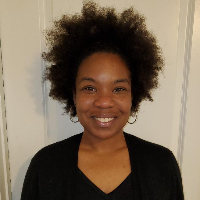
North Carolina · 15 yrs exp
LGBT · Relationship · Family · Parenting · +7 more
Read profile
North Carolina · 25 yrs exp
Stress, Anxiety · Relationship · Depression · Coping with life changes · +1 more
Read profile
North Carolina · 24 yrs exp
Stress, Anxiety · Relationship · Family · Trauma and abuse · +14 more
Read profile
North Carolina · 10 yrs exp
Stress, Anxiety · Relationship · Trauma and abuse · Self esteem · +11 more
Read profile
North Carolina · 3 yrs exp
Stress, Anxiety · Anger · Self esteem · Addictions · +5 more
Read profile
North Carolina · 6 yrs exp
Stress, Anxiety · Relationship · Parenting · Self esteem · +7 more
Read profile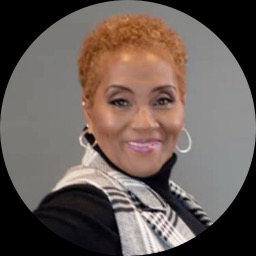
North Carolina · 16 yrs exp
Stress, Anxiety · Self esteem · Depression · Coping with life changes · +9 more
Read profile
North Carolina · 8 yrs exp
Stress, Anxiety · Relationship · Trauma and abuse · Depression · +1 more
Read profile
North Carolina · 7 yrs exp
Stress, Anxiety · Self esteem · Trauma and abuse · Grief · +4 more
Read profile
North Carolina · 23 yrs exp
Stress, Anxiety · Relationship · Trauma and abuse · Depression · +12 more
Read profile
North Carolina · 15 yrs exp
Addictions · Grief · Self esteem · Career · +8 more
Read profile
North Carolina · 14 yrs exp
Stress, Anxiety · Addictions · Self esteem · Depression · +11 more
Read profile
North Carolina · 23 yrs exp
Stress, Anxiety · Relationship · Sleeping · Bipolar · +10 more
Read profile
North Carolina · 17 yrs exp
Stress, Anxiety · Addictions · Relationship · Family · +16 more
Read profile
North Carolina · 14 yrs exp
Stress, Anxiety · Grief · Anger · Self esteem · +9 more
Read profileOnline therapy has become a common way to connect with a licensed mental health professional across North Carolina, whether you live in a larger city or a rural community. Many clinicians offer sessions by video or telephone so you can work with someone who matches your needs without traveling long distances. Regulations and professional expectations are set by state licensing boards that oversee different credential types, so therapists who serve North Carolina residents hold the appropriate North Carolina license for their profession.
Because online practice uses technology, the experience of teletherapy can vary depending on the clinician's session format and the platform they use. Some therapists describe their work as providing counseling or psychotherapy via video, phone, or a mixed approach. If you live in North Carolina and prefer an online setting, you will often find clinicians who list specialties such as perinatal mental health, trauma, relationship concerns, grief, adolescent and family work, or career and life transitions. Profiles in this directory let you compare those focus areas along with languages spoken, theoretical approaches, and professional credentials so you can decide who might be a good match for your needs.
Online therapy can increase access to mental health support by reducing travel time and offering appointments that fit into busy schedules. For people who live in smaller towns or counties where in-person options are limited, the ability to connect with clinicians across the state means you can seek someone with relevant experience without relocating or commuting. You may also find it easier to maintain continuity of care when life events, work obligations, or weather make travel difficult.
Another advantage is the potential for greater choice. You can look for a clinician whose background and communication style suit you - someone who speaks your preferred language, understands your cultural context, or lists experience with the specific concerns you have. Practically, participating in online sessions requires a reliable internet connection or phone line, a device with a camera if you choose video, and a private space for talking. Taking a few minutes to test your audio and video and confirming how a clinician handles paperwork and fees can make the first sessions feel smoother.
Online therapists in North Carolina address a wide range of life challenges and mental health concerns. Many people seek support for anxiety and mood-related symptoms, including stress from work, relationships, or major life transitions. Others pursue therapy for relationship conflicts, parenting guidance, coping with grief, or challenges tied to identity and life stage. Clinicians in the directory also list specialties such as trauma-related concerns, perinatal and postpartum adjustment, chronic health coping, and support for adolescents or college-aged adults transitioning to independence.
When you review profiles, you will notice clinicians describe their approaches in different ways. You can find therapists who list cognitive behavioral therapy - often abbreviated as CBT - as an approach, and others who list EMDR among their approaches or who list mindfulness-based strategies and integrative frameworks. Because a listing of an approach does not alone verify specific training, use those descriptors as a starting point for questions you might ask an individual therapist about how they typically work with people who have concerns similar to yours.
Verifying a clinician's license is a practical step when you are considering online therapy. Start by noting the credential displayed on the therapist's profile, such as licensed clinical social worker, licensed professional counselor, marriage and family therapist, psychologist, or psychiatrist. Each of these credential types is overseen by a corresponding North Carolina licensing board. You can visit the appropriate board's website and search by the therapist's full name or license number to confirm that the license is active and to review any public disciplinary history.
When you use a licensing board lookup, check that the name and license type match what the clinician lists on their profile. Look for details such as the license issue and expiration dates and whether the license is listed as active or inactive. Boards sometimes publish public orders or notices, and those items can be part of the verification process. If you have questions about how to interpret information on a licensing board site, the board's contact information is usually available, and you can reach out to them directly for clarification about licensure standards and status.
Getting started often begins with clarifying what you want from therapy. Think about the issues you want to address, the communication style you prefer, whether language or cultural understanding matters, and practical considerations such as session length, fee structure, and whether you will use insurance. Use the directory to narrow your search by specialty, credential, languages spoken, and the therapeutic approaches clinicians list. Remember that a therapist's profile is an introduction - an initial conversation can help you learn more about how they work.
When you reach out to a therapist, consider asking how they structure sessions, what methods they commonly use with clients who have similar concerns, and what paperwork or consent forms they require for online work. You might ask about their experience with specific populations, the languages they conduct therapy in, and how they handle emergencies or referrals. It is reasonable to inquire about fees, insurance or out-of-network reimbursement, and any sliding scale policies they offer. Before your first session, test the technology you will use and identify a private space where you can speak without interruption.
As you begin sessions, pay attention to how comfortable you feel with the therapist's communication, pacing, and approach. Therapeutic fit - the way you and a clinician connect and collaborate - is an important factor in progress. If something about the approach or communication style does not feel aligned with your needs, it is okay to discuss that with the therapist or to explore other profiles in the directory until you find a clinician whose style matches your expectations.
Over time, practical matters such as scheduling, payment, and documentation become part of the routine. Discuss with your therapist how they handle appointment reminders, cancellation policies, and session notes. If you plan to use insurance, confirm whether the clinician will provide a superbill or bill directly and what codes might apply. Keep in mind that regulations and coverage policies can change, so it helps to review any insurance details before beginning sessions.
Finally, make a plan for crisis situations before intensive work begins. Ask the clinician how they handle emergencies for North Carolina residents, and note local crisis numbers and emergency services in your area. If you have immediate safety concerns at any time, contact local emergency services or crisis lines. Online therapy can be a flexible and effective way to access professional support across North Carolina, and taking these steps will help you get the most from your time with a therapist.
Choosing an online therapist is a personal process, and taking the time to review profiles, verify licensure, and prepare questions will help you find a match that suits your goals and life circumstances.