
L M (Loretta) Hartley-Bangs
LISW-CP· Accepting clientsSouth Carolina · 36 yrs exp
Stress, Anxiety · Addictions · Family · Trauma and abuse · +3 more
Read profileThe therapist listings are provided by BetterHelp and we will earn a commission if you use our link - at no cost to you.
Welcome to the WellNotesForHer directory for online therapists serving South Carolina. All therapists listed here are licensed in South Carolina; explore the profiles below to compare approaches, credentials, languages, and focus areas.
South Carolina · 36 yrs exp
Stress, Anxiety · Addictions · Family · Trauma and abuse · +3 more
Read profile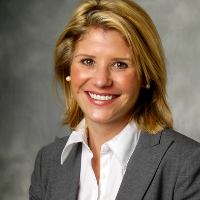
South Carolina · 20 yrs exp
Stress, Anxiety · Relationship · Eating · Self esteem · +10 more
Read profile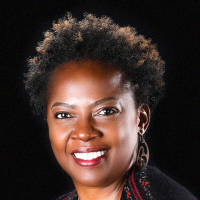
South Carolina · 8 yrs exp
Stress, Anxiety · Relationship · Family · Coping with life changes · +11 more
Read profile
South Carolina · 8 yrs exp
Stress, Anxiety · Trauma and abuse · Self esteem · Depression · +16 more
Read profile
South Carolina · 20 yrs exp
Stress, Anxiety · Relationship · Trauma and abuse · Anger · +11 more
Read profile
South Carolina · 15 yrs exp
Stress, Anxiety · Trauma and abuse · Anger · Self esteem · +13 more
Read profile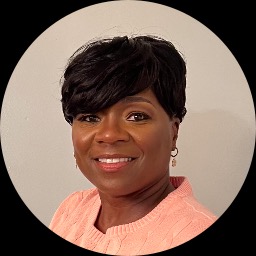
South Carolina · 16 yrs exp
Stress, Anxiety · Relationship · Family · Self esteem · +10 more
Read profile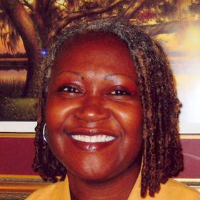
South Carolina · 25 yrs exp
Addictions · Relationship · Grief · Self esteem · +9 more
Read profile
South Carolina · 21 yrs exp
Stress, Anxiety · Relationship · Self esteem · Depression · +6 more
Read profile
South Carolina · 7 yrs exp
Stress, Anxiety · Self esteem · Depression · Coping with life changes · +9 more
Read profile
South Carolina · 28 yrs exp
Stress, Anxiety · Addictions · Relationship · Trauma and abuse · +8 more
Read profile
South Carolina · 21 yrs exp
Relationship · Grief · Parenting · Depression · +14 more
Read profile
South Carolina · 7 yrs exp
Stress, Anxiety · Relationship · Family · Anger · +4 more
Read profile
South Carolina · 17 yrs exp
Stress, Anxiety · Relationship · Parenting · Depression · +11 more
Read profile
South Carolina · 8 yrs exp
Stress, Anxiety · Relationship · Self esteem · Depression · +10 more
Read profile
South Carolina · 24 yrs exp
Stress, Anxiety · Relationship · Family · Grief · +8 more
Read profile
South Carolina · 15 yrs exp
Stress, Anxiety · Trauma and abuse · Self esteem · Coping with life changes · +7 more
Read profile
South Carolina · 4 yrs exp
Stress, Anxiety · Self esteem · Depression · Relationship · +5 more
Read profile
South Carolina · 10 yrs exp
Stress, Anxiety · Relationship · Family · Trauma and abuse · +2 more
Read profile
South Carolina · 17 yrs exp
Stress, Anxiety · Relationship · Family · Trauma and abuse · +13 more
Read profile
South Carolina · 4 yrs exp
Stress, Anxiety · Anger · Self esteem · Career · +7 more
Read profile
South Carolina · 6 yrs exp
Stress, Anxiety · Family · Trauma and abuse · Anger · +14 more
Read profile
South Carolina · 18 yrs exp
Stress, Anxiety · Relationship · Family · Trauma and abuse · +6 more
Read profile
South Carolina · 3 yrs exp
Stress, Anxiety · Depression · Coping with life changes · ADHD · +5 more
Read profileOver the past several years, online therapy has become an increasingly common way to access mental health care across South Carolina. If you are considering remote sessions, you can expect an experience that mirrors many in-person elements - regular appointments, focused conversations, goal-setting, and therapeutic techniques tailored to your needs. Regulations in South Carolina guide how licensed professionals provide services remotely, and many clinicians use supported video, phone, or messaging options to connect. While the technology and format may differ from an office visit, the core of the work remains the relationship you build with the clinician and the process you undertake together.
Different clinicians and practice settings may offer varied formats - some focus primarily on video sessions that resemble a face-to-face meeting, while others incorporate phone check-ins or text-based exchanges as part of a broader plan. If you live in an area with fewer local in-person options, online therapy can expand the range of clinicians you can connect with. Keep in mind that each clinician follows licensing board rules for telehealth practice in South Carolina, and you should find a profile that describes their preferred formats and the kinds of interactions they use.
Choosing online therapy can ease logistical barriers that sometimes make getting care difficult. You may save time on commuting, avoid challenges of rural travel, and fit sessions around work or family responsibilities. For many people in South Carolina, remote options provide a way to connect with clinicians whose cultural background, language skills, or therapeutic approaches match their needs even when those clinicians are not located nearby. This greater geographic reach can make it easier to identify a clinician who lists experience with your particular concerns or who offers counseling in the language you prefer.
Online therapy can also offer privacy in the sense of attending sessions from a comfortable environment where you feel at ease. If mobility, caregiving responsibilities, or health considerations make leaving home difficult, remote sessions provide a practical alternative. Additionally, the format can allow for continuity of care when life circumstances require travel within the state or beyond. When selecting an online clinician, consider how their chosen communication methods and scheduling practices fit with your daily routine and how you prefer to receive support.
Online therapists frequently work with a wide range of concerns that people bring to counseling. You can find clinicians who focus on mood difficulties such as depression and anxiety, relationship challenges including couples and family issues, life transitions like job changes or parenting, stress management, and coping with grief or loss. Many people also seek support for identity-related concerns, trauma recovery, or ongoing patterns that affect work and relationships. The online setting can be well suited for conversations that require thoughtful reflection and consistent follow-up.
Clinicians often describe the methods they use in their profiles. You may encounter therapists who list cognitive behavioral therapy, mindfulness-based approaches, acceptance and commitment strategies, interpersonal therapy, or experiential methods among their approaches. Some profiles will note trauma-informed perspectives or that they work with specific populations such as adolescents, young adults, older adults, parents, or members of particular cultural communities. When reviewing profiles, pay attention to the focus areas and approaches that align with the issues you want to address, and think about how those emphases fit with your personal goals for therapy.
Confirming that a clinician is licensed in South Carolina is an important step in choosing a therapist. The state licensing board maintains public records where you can look up the status of a license, any disciplinary actions, and the official scope of practice for different credentials. Most licensing boards provide an online search tool where you can enter a name or license number to view current registration details. This documentation can help you understand whether the clinician holds a license such as a licensed professional counselor, licensed clinical social worker, marriage and family therapist license, or another credential recognized in South Carolina.
When you review a clinician's profile, you may see listed credentials and the licensing state. Use that information to cross-check the board's records. If a profile mentions particular approaches or experience, remember that these descriptions reflect what the clinician has chosen to list and do not replace formal verification of license status. If you have questions about a license or want help locating official information, many state boards offer contact options to assist the public in understanding licensure details and regulations that apply to telehealth practice.
Starting with an online therapist begins with clarifying what you hope to achieve. Consider your immediate concerns and longer-term goals, whether you prefer a structured, skills-based approach or a more exploratory, insight-oriented process. Look for profiles that describe focus areas and methods that match your priorities. Pay attention to practical details that matter to you - the languages a clinician speaks, whether they emphasize work with specific age groups or cultural backgrounds, and the formats they describe for remote sessions. These aspects can help you narrow options before reaching out.
When you make initial contact, use that first interaction to get a sense of communication style, rapport, and whether the clinician's approach resonates with you. It is appropriate to ask about how they structure sessions, what a typical plan for working together might involve, and what outcomes people often pursue. Trust your impressions: relationships in therapy develop over time, but a strong early match on values, style, and practical logistics can make the process smoother. If something about the match does not feel right, it is reasonable to continue searching until you find a clinician whose approach and background align with your needs.
Finally, think about the environment you will use for sessions. Choose a location where you can speak without interruptions and where you feel comfortable. Some people create a consistent nook or quiet corner to attend sessions, while others schedule times when household members are elsewhere. Preparing a headset or good-quality audio and checking your internet connection ahead of sessions can reduce technical disruptions. Starting therapy is a collaborative process - when you bring clear questions and a willingness to communicate, you increase the likelihood of finding an approach that helps you move toward your goals.
Online therapy in South Carolina offers flexibility and access to a broad range of clinicians and approaches. By reviewing licensed profiles, paying attention to described focus areas and methods, and preparing for the practical dimensions of remote sessions, you can find a therapist whose style and expertise match your needs. Use the directory to explore clinician profiles, read descriptions carefully, and consider how each profile aligns with your goals, language needs, and preferences for remote care. With thoughtful review and an eye to what matters most to you, the process of connecting with a clinician can become a constructive first step toward meaningful change.